Surgical Power Systems for Orthopedic and Trauma Procedures
Surgical power systems are powered medical instruments designed to support bone drilling, reaming, sawing, and pin or wire insertion in surgical procedures.
System configurations
Battery-powered systems: Cordless handpieces for applications requiring mobility within the operating room.
Electric systems: Console-powered instruments with compatible handpieces and control accessories.
Pneumatic systems: Air-driven instruments for applications supported by the specified pneumatic configuration.
System selection depends on the intended use, required handpiece functions, operating parameters, accessory compatibility, and reprocessing requirements.
-
![Spine Surgical Power Systems - Endoscopic and Open Surgery]() Spine Surgical Power Systems - Endoscopic and Open SurgeryIndicated for resection of bone tissue or soft tissue in Spine surgery such as grinding and shavering.view more
-
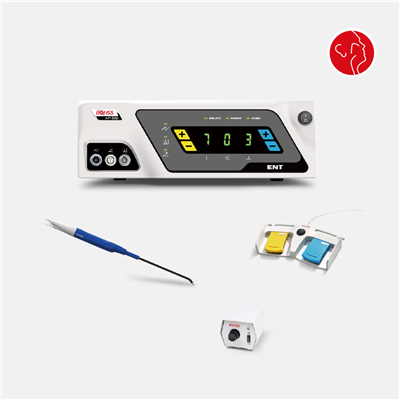
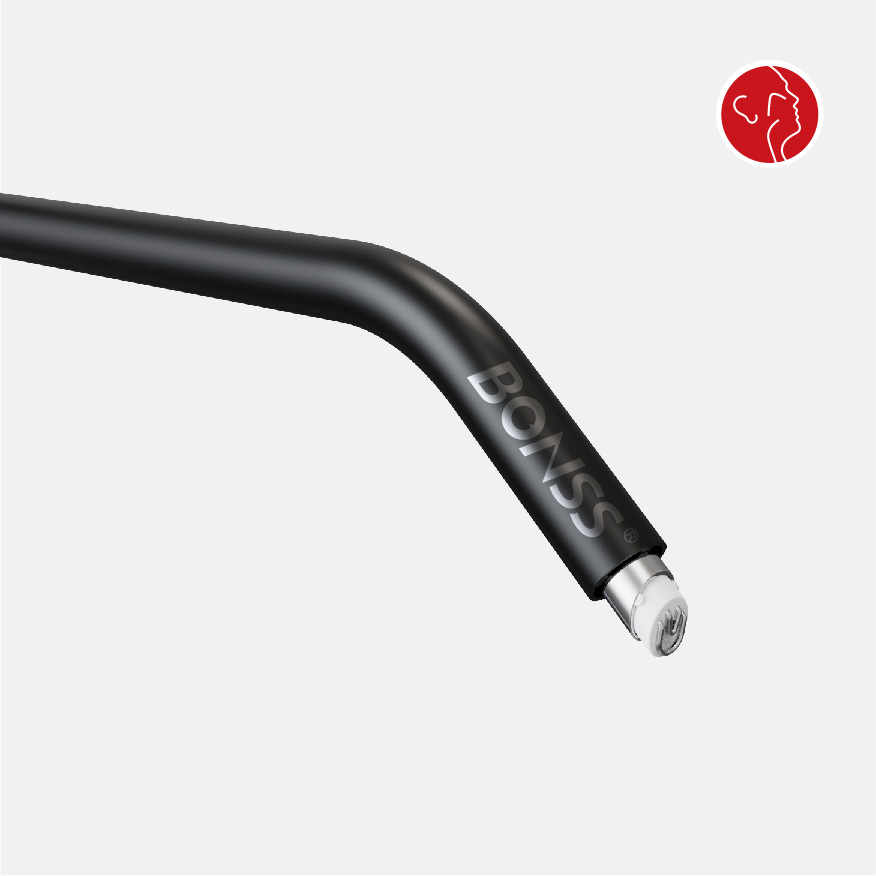
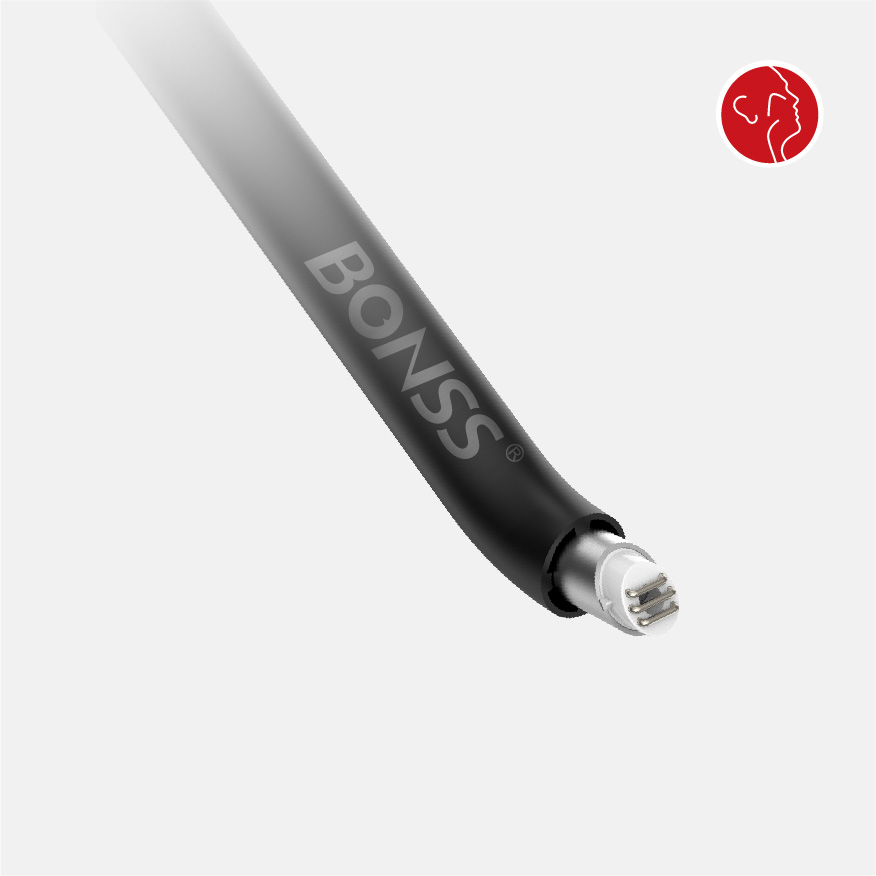
![Rhinnology Surgical Power Systems - Nasal Microdebrider]() Rhinnology Surgical Power Systems - Nasal MicrodebriderIndicated for resection of bone tissue or soft tissue in Rhinology surgery such as grinding and shavering.view more
-
![Otology Surgical Power System]() Otology Surgical Power SystemIndicated for resection of bone tissue or soft tissue in Otology surgery such as grinding and shavering.view more
-
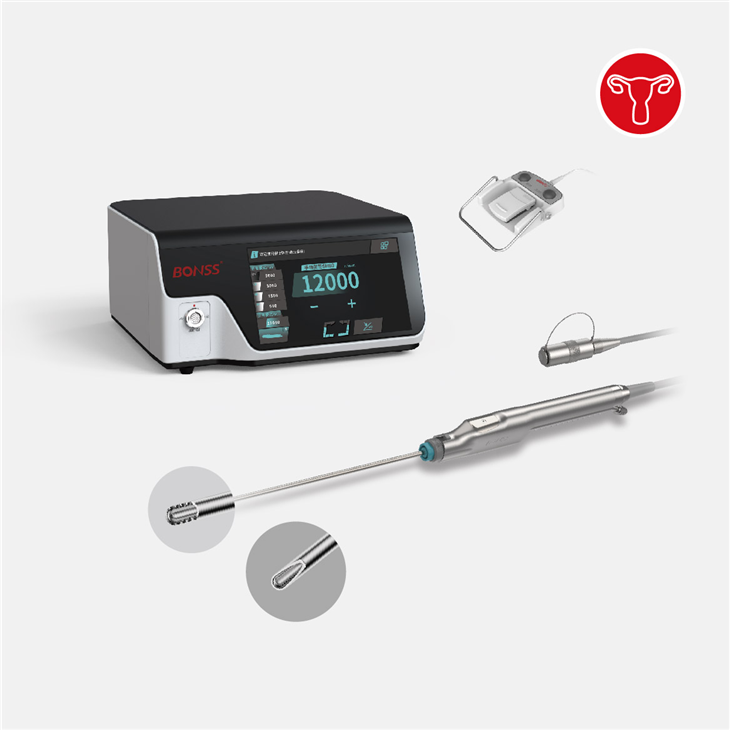
![Gynaecology and Urology Surgical Power Systems - Tissue Removal]() Gynaecology and Urology Surgical Power Systems - Tissue R...Indicated for resection of bone tissue or soft tissue in Gynaecology & Urology surgery such as grinding and shavering.view more
-
![UBE Surgical Power Systems - Unilateral Biportal]() UBE Surgical Power Systems - Unilateral BiportalIndicated for resection of bone tissue or soft tissue in UBE surgery such as grinding and shavering.view more


System types and configurations
Battery-powered surgical systems
Designed for cordless operation. Battery type, charging requirements, sterilization compatibility, and operating duration must be confirmed for each model.
Electric surgical power systems
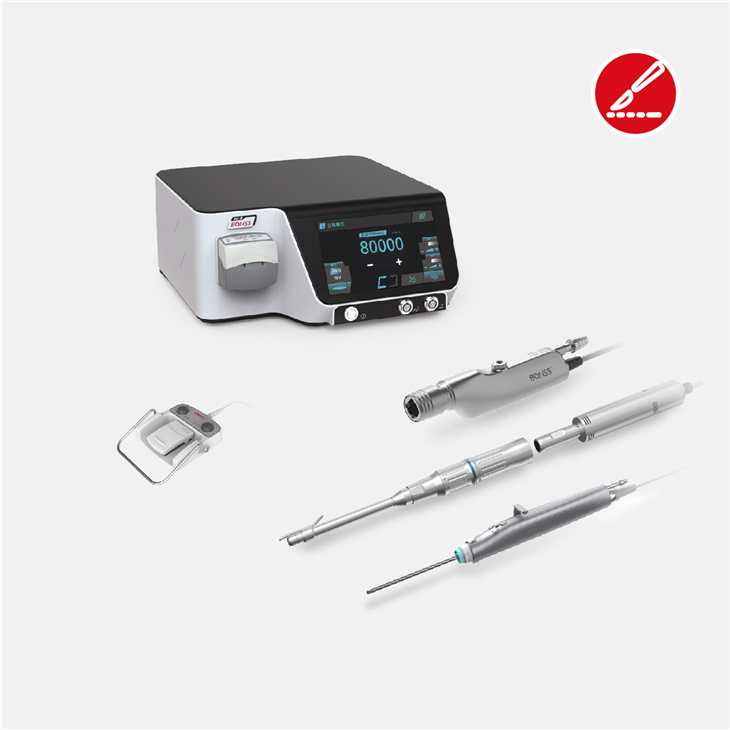
May include a control console, handpieces, power connections, and footswitches, depending on the configuration. Available control functions and supported attachments require model-specific confirmation.
Pneumatic surgical power systems
Use a specified compressed-gas supply to drive compatible handpieces. Gas type, inlet pressure, flow requirements, and operating limits must be confirmed in the product documentation.
Handpieces and accessories
Drill and reamer handpieces
Used for drilling, reaming, and compatible pin or wire insertion tasks. Available chuck types, connection interfaces, speed ranges, and supported attachments depend on the model.
Surgical saw handpieces
Options may include oscillating, sagittal, or reciprocating saw configurations, depending on the product range. Blade compatibility, operating speed, and cutting parameters require model-specific confirmation.
Accessories and system components
Drill chucks, wire drivers, pin collets, and reamer adapters, subject to availability.
Compatible surgical saw blades and attachment interfaces.
Batteries, charging equipment, footswitches, and control units, where applicable.
Sterilization and handling accessories specified for the relevant system.
Compatibility with existing surgical instruments or hospital inventory should be confirmed against the relevant interface specifications.
Technical specifications
Technical parameters should be presented by model and configuration rather than combined into a single range covering battery-powered, electric, and pneumatic systems.
|
Parameter |
Reference specification |
Verification status |
|
Drill speed |
0–1,100 RPM; some models up to 1,200 RPM |
Subject to model confirmation |
|
Reaming speed |
Reference example: 0–350 RPM |
Subject to model confirmation |
|
Oscillating saw speed |
Reference examples: 13,000–16,000 CPM |
Subject to model confirmation |
|
Drilling torque |
Reference example: 3.0–3.2 N·m |
Subject to model and test confirmation |
|
Reaming torque |
Reference example: 7.8 N·m |
Subject to model and test confirmation |
|
Handpiece voltage |
Reference examples: 12 V DC or 14.4 V DC |
Subject to model confirmation |
|
Handpiece weight |
Reference example: approximately 730 g |
Subject to configuration confirmation |
|
Sterilization temperature |
Model-specific validated cycle |
Refer to validated instructions for use |
|
Sterilization pressure |
Model-specific validated cycle |
Refer to validated instructions for use |
|
Sterilization exposure time |
Model-specific validated cycle |
Refer to validated instructions for use |
|
Acoustic output |
Not confirmed |
Requires test report |
|
Battery capacity retention |
Not confirmed |
Requires battery lifecycle test report |
Note: These are market reference values, not verified BONSS Medical specifications. Confirm each value against the corresponding model's technical documentation before publication
Surgical power instruments may be designed for specific orthopedic and related surgical applications, depending on their intended use and regulatory status.
Potential application categories
Orthopedic trauma: Drilling and fixation-related procedures.
Joint arthroplasty: Bone preparation and reaming, where supported by the relevant handpiece.
Spine surgery: Bone drilling or cutting with instruments specifically intended for the procedure.
Small bone and maxillofacial surgery: Procedures requiring appropriately sized instruments and compatible attachments.
The intended use, indications, limitations, and eligible surgical applications must be confirmed against the labeling and regulatory documentation for each product.
Cleaning, disinfection, and sterilization
Reusable surgical power instruments require validated reprocessing procedures appropriate to their design and materials.
Cleaning and disinfection
Follow the manufacturer's instructions for detergent selection, cleaning methods, rinsing, drying, and any applicable automated washer-disinfector process. Chemical compatibility and equipment limitations must be confirmed for each model.
Sterilization
Use only the sterilization method and cycle specified in the validated instructions for use. Temperature, exposure time, pressure, packaging, and drying requirements must not be generalized across different handpieces, batteries, and accessories.
Battery and electrical components
Confirm whether each component is reusable, sterilizable, removable before reprocessing, or subject to other handling restrictions. Do not assume that a battery or complete assembled system is autoclavable without supporting documentation.
Quality assurance and regulatory documentation
Quality management
Provide details of the manufacturer's quality management system and applicable certification scope, subject to verification.
Product testing
Relevant records may include electrical safety testing, mechanical performance testing, durability testing, biocompatibility assessments, and reprocessing validation, as applicable to the device.
Traceability
Product identification, batch or serial number controls, and UDI information should be described according to the manufacturer's actual implementation and applicable regulatory requirements.
Regulatory documentation
Available documentation may include applicable quality management certificates, conformity documentation, test reports, risk management records, and material or biocompatibility reports. Availability and applicability must be confirmed for the specific product and target market.
OEM manufacturing and supply
Product configuration
Confirm available handpiece types, compatible attachments, power options, and accessory combinations for the product range.
Customization
OEM services, private-label options, packaging, labeling, and other customization capabilities should be listed only where supported by the manufacturer's actual production and regulatory processes.
Production and delivery
Production capacity, minimum order quantities, lead times, warranty terms, and after-sales arrangements should be confirmed for the requested model and order volume before quotation.
Frequently asked questions

Request a quote
Looking for a surgical power system for medical device distribution, hospital procurement, or an OEM project?
Please provide the following information to support product selection and quotation:
Required drive type and surgical application.
Preferred handpiece configurations and accessories.
Expected order quantity.
Target market and required regulatory documentation.
OEM, private-label, packaging, or labeling requirements.
Product specifications, compatibility, regulatory documentation, lead time, and commercial terms can then be reviewed against the requested configuration.
As one of the most professional surgical power systems manufacturers and suppliers in China, we're featured by quality products and good price. Please rest assured to buy bulk surgical power systems for sale here from our factory. Customized orders are welcome.