Endovenous RF Plasma Closure System | Technical Specifications and B2B Procurement
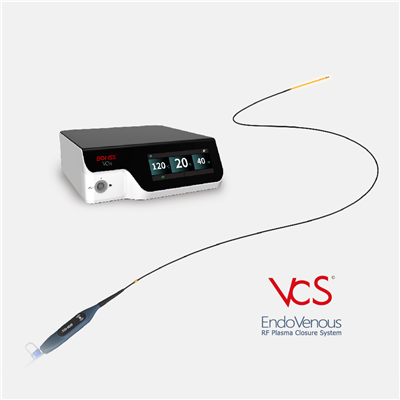
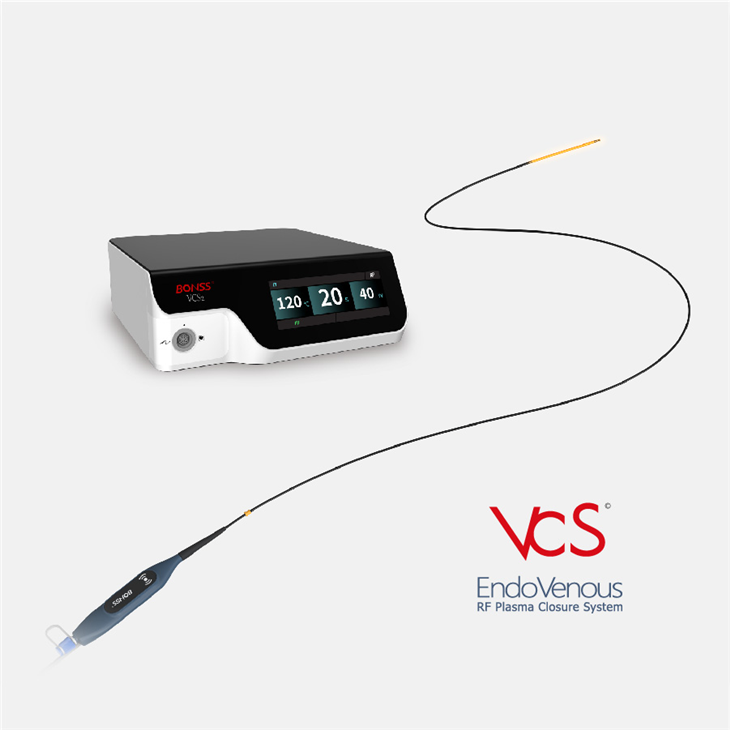
The Endovenous RF Plasma Closure System consists of a reusable generator console and compatible single-use endovenous closure catheters. It is intended for use in endovenous vein closure procedures, subject to the device's approved intended purpose and applicable market authorization.
The system configuration, operating parameters, catheter compatibility, and clinical use requirements should be evaluated against the manufacturer's technical documentation and instructions for use (IFU).
Key product information
System type: RF plasma generator and compatible catheter system
Main components: Reusable generator, single-use catheter, and specified accessories
Procurement focus: Generator specifications, catheter compatibility, sterile consumables, regulatory documentation, and supply requirements
Target buyers: Medical device distributors, importers, hospital procurement teams, and qualified OEM partners
-
![Varicose Vein EndoVenous RF Plasma Closure System]() Varicose Vein EndoVenous RF Plasma Closure SystemThe BONSS VCS (EndoVenous Radio frequency Closure System) works by using radio frequency energy to heat the target vessel, causing the lining of the vessel to contract thermally, thus reducing the...view more
-
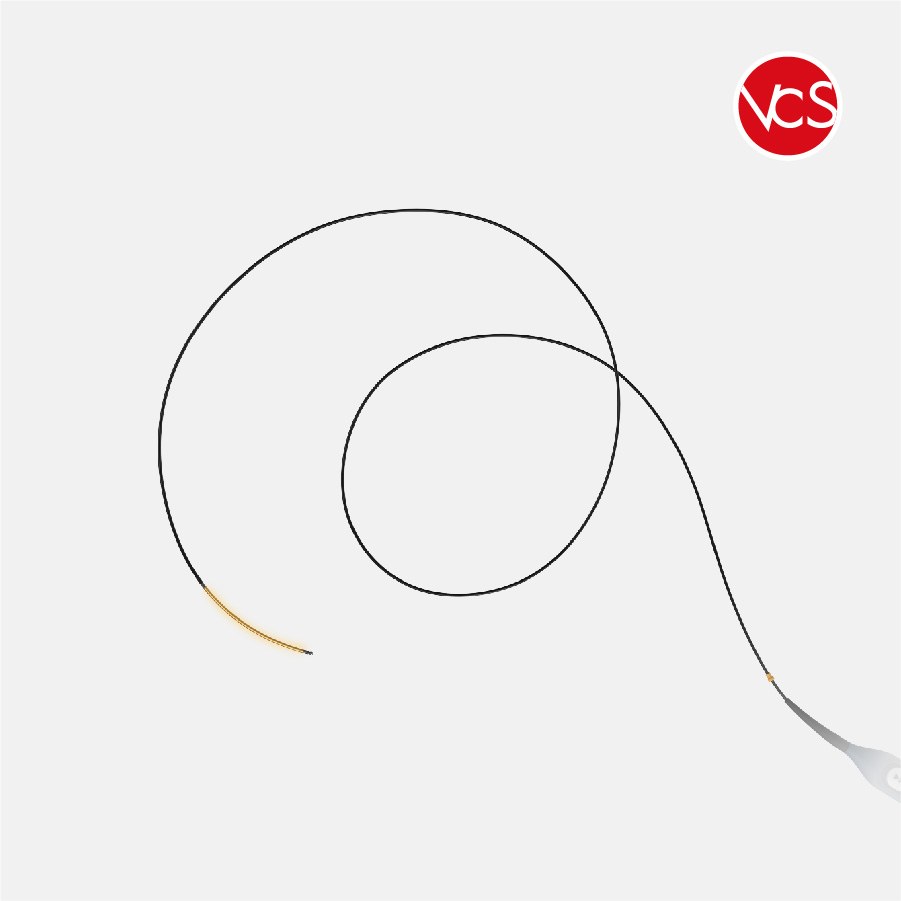
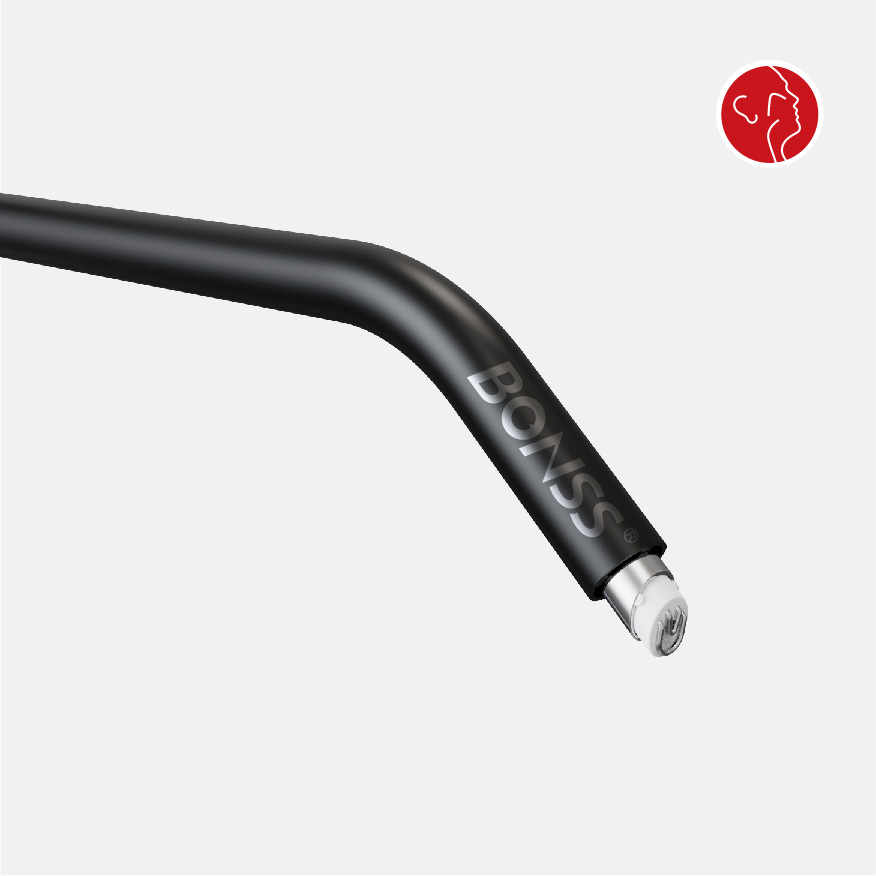
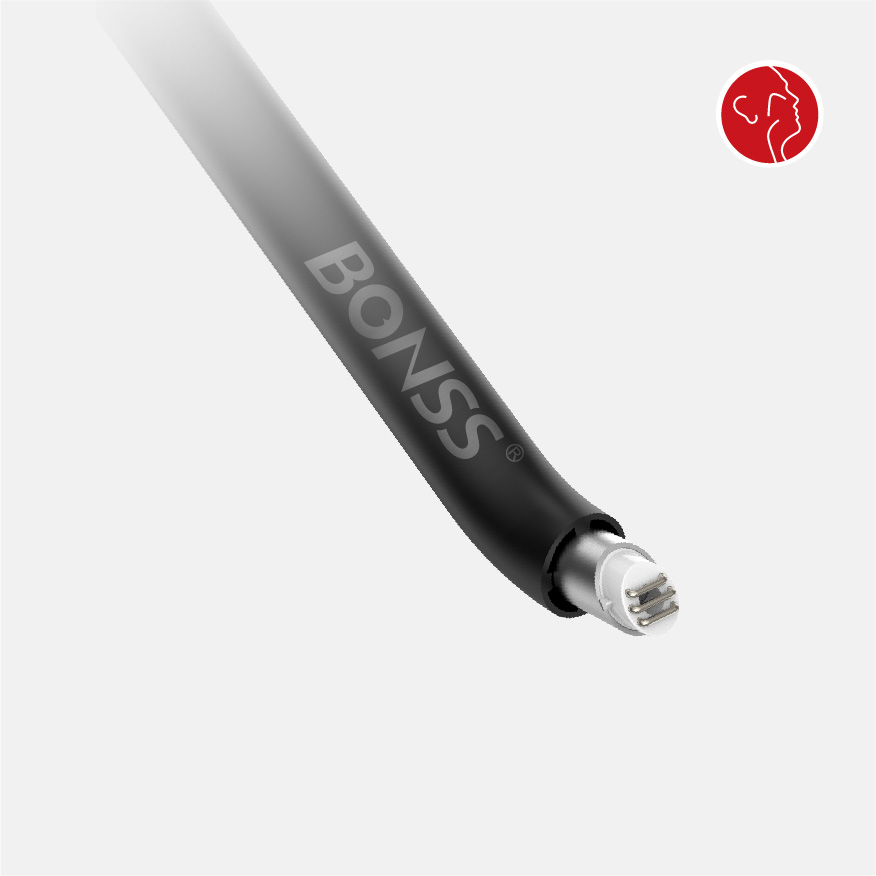
![Varicose Vein EndoVenous RF Plasma Closure Catheter]() Varicose Vein EndoVenous RF Plasma Closure CatheterThe BONSS VCS (EndoVenous Radio frequency Closure System) works by using radio frequency energy to heat the target vessel, causing the lining of the vessel to contract thermally, thus reducing the...view more


System configuration
|
Component |
Description |
Supply type |
|
RF plasma generator console |
Generator unit with touchscreen interface and microprocessor-based controls |
Reusable equipment |
|
Endovenous closure catheter |
Single-use catheter with integrated electrodes and dual temperature sensors, subject to model confirmation |
Sterile consumable |
|
Foot pedal and connection cable |
Control accessories for energy delivery, according to the supplied configuration |
Reusable accessory |
|
Medical-grade power cord |
Detachable AC power cord compatible with the generator's electrical requirements |
Accessory |
The supplied configuration should be confirmed before ordering. Buyers should specify the required generator model, catheter reference, accessory package, and destination market when requesting a quotation.
Intended use and clinical applications
The device's intended use, indications, contraindications, and procedural requirements must follow its approved labeling and instructions for use in the destination market.
Before procurement, clinical and technical teams should confirm:
Intended procedure: The specific vein closure procedure supported by the device's approved labeling.
Patient selection: Applicable indications and patient eligibility criteria.
Procedure requirements: Required accessories, procedural conditions, and permitted use environment.
Clinical evidence: Available clinical evaluation documents and supporting evidence relevant to the intended use.
Specific claims concerning great saphenous vein (GSV) or small saphenous vein (SSV) treatment, CEAP classifications, or clinical outcomes should be included only when supported by the applicable approved labeling and evidence.
Technical specifications
Generator specifications
The following values are based on the supplied product information. They should be verified against the current technical datasheet for the actual generator model before publication.
|
Parameter |
Stated specification |
|
Operating frequency |
4.0 MHz ± 5% |
|
Maximum power output |
50 W, subject to load conditions |
|
Impedance monitoring range |
20–500 Ω |
|
Impedance sampling rate |
50 Hz |
|
Temperature control threshold |
85–120°C; control logic requires confirmation |
|
Input voltage |
100–240 V AC |
|
Input frequency |
50/60 Hz |
|
Maximum input current |
3.0 A |
|
Dimensions |
320 × 280 × 120 mm |
|
Weight |
4.5 kg |
The operating frequency, power output, impedance monitoring, and temperature control specifications should be confirmed by the product engineering team. Any description of automatic power adjustment, thermal regulation, or safety cut-off behavior must match the verified system design and test documentation.
Catheter specifications
|
Parameter |
Stated specification |
|
Available catheter lengths |
60 cm and 100 cm |
|
Catheter shaft size |
6 Fr |
|
Active tip length |
7 mm |
|
Temperature sensing |
Dual thermocouple feedback; confirm by model |
|
Packaging |
Sterile peel pouch |
|
Units per box |
5 |
|
Shelf life |
3 years from sterilization date; subject to validation |
Before ordering, confirm the catheter reference, shaft dimensions, active tip configuration, introducer sheath requirements, generator compatibility, and applicable sterile packaging specifications.
The generator is specified for use with compatible single-use catheters. Compatibility should be confirmed by generator model and catheter reference before purchase.
Catheter selection: Confirm catheter length, shaft size, active tip configuration, and approved intended use.
Sterile packaging: Verify the packaging configuration, sterilization method, and validated shelf life.
Consumable ordering: Confirm the product reference, units per box, order quantity, and lot traceability requirements.
Compatibility documentation: Request the current compatibility list and applicable instructions for use.
Single-use labeling, storage conditions, and any restrictions on reuse must follow the manufacturer's approved instructions.
Quality management and regulatory documentation
Medical device distributors and institutional buyers should review the manufacturer's quality management documentation, product-specific verification records, and regulatory status before supplier qualification.
Manufacturing and quality control
The supplied manufacturing information describes catheter assembly in an ISO Class 7 cleanroom, electrode joining by micro-resistance welding, optical inspection, dielectric withstand testing, and EtO sterilization validation.
These details should be published as established manufacturing capabilities only after confirmation by the relevant production and quality teams. Supporting records should be available where applicable.
Documentation for procurement review
|
Document |
Purpose |
|
ISO 13485 certificate |
Verify the certified quality management system, scope, and validity |
|
Declaration of Conformity, where applicable |
Review the applicable conformity framework and covered device |
|
Electrical safety and performance test reports |
Assess conformity with applicable medical electrical equipment requirements |
|
Biocompatibility reports |
Review the biological evaluation of relevant patient-contacting materials |
|
Sterilization validation records |
Verify the validated sterilization process for applicable sterile products |
|
Shelf-life validation reports |
Support the stated shelf life and sterile packaging claims |
|
Technical datasheet and IFU |
Review specifications, intended use, contraindications, warnings, and operating requirements |
|
Market-specific regulatory documents |
Confirm the device's regulatory status for the intended destination market |
Applicable standards may include ISO 13485, relevant parts of the IEC 60601 series, ISO 10993, and ISO 11135, depending on the device, component, process, and regulatory framework.
References to standards or certificates should not be interpreted as proof of product approval or conformity unless supported by current, applicable documentation. Regulatory status must be confirmed separately for each target market.
OEM, bulk supply, and service support
The following commercial details are based on the supplied information and require confirmation before publication or quotation.
|
Item |
Stated arrangement |
|
Monthly catheter production capacity |
500–5,000 units |
|
Generator production lead time |
3–4 weeks |
|
Private-label catheter packaging MOQ |
500 units per production run |
|
Custom generator housing color MOQ |
50 units |
|
Generator warranty |
2 years, subject to written warranty terms |
|
Product traceability |
UDI marking on generator and catheter, subject to product configuration and applicable requirements |
OEM and private-label services
Potential customization options include product branding, packaging design, and selected generator housing colors, subject to technical feasibility, approved device configuration, and regulatory requirements.
Before confirming an OEM project, buyers should clarify:
- Product model and approved configuration
- Branding, packaging, and labeling requirements
- Required languages and destination-market regulations
- Minimum order quantities and production schedule
- Regulatory responsibilities of the manufacturer, importer, distributor, or private-label organization
Supply and after-sales support
- Production availability, spare parts, technical training, warranty coverage, and local after-sales arrangements should be confirmed during supplier evaluation.
- Lead times, order quantities, and customization conditions should be documented in the commercial quotation.
Frequently asked questions

Request a quote and technical documentation
Medical device distributors, importers, hospital procurement teams, and qualified OEM partners can submit inquiries for product specifications, supply arrangements, and available regulatory documentation.
Please include the following information:
Product requirements: Generator model, catheter references, quantities, and accessories.
Destination market: Country or region of distribution and applicable regulatory requirements.
Commercial requirements: Initial order quantity, expected annual demand, and delivery expectations.
Customization requirements: Private-label packaging, branding, and other requested options.
Documentation requirements: Technical datasheet, IFU, quality certificates, test reports, and applicable regulatory documents.
Contact the supplier to confirm product availability, technical compatibility, documentation status, and commercial terms for your intended market.
As one of the most professional endovenous rf plasma closure system manufacturers and suppliers in China, we're featured by quality products and good price. Please rest assured to buy bulk endovenous rf plasma closure system for sale here from our factory. Customized orders are welcome.
endovenous rf plasma closure system, Varicose vein Segement Treatment Catheter, varicosity