SpineFrequently asked questions
Spine surgical instruments and custom instrument sets for medical device manufacturers, importers, distributors, and healthcare procurement suppliers.
Product range: Pedicle screw instruments, spinal decompression instruments, retractors, minimally invasive access instruments, and procedure-specific instrument sets.
Custom manufacturing: Instrument designs, dimensions, materials, handle configurations, and tray layouts can be evaluated according to customer drawings and approved specifications.
B2B supply: OEM manufacturing, private labeling, custom instrument configurations, and bulk orders are available for evaluation based on product requirements and manufacturing capabilities.
-
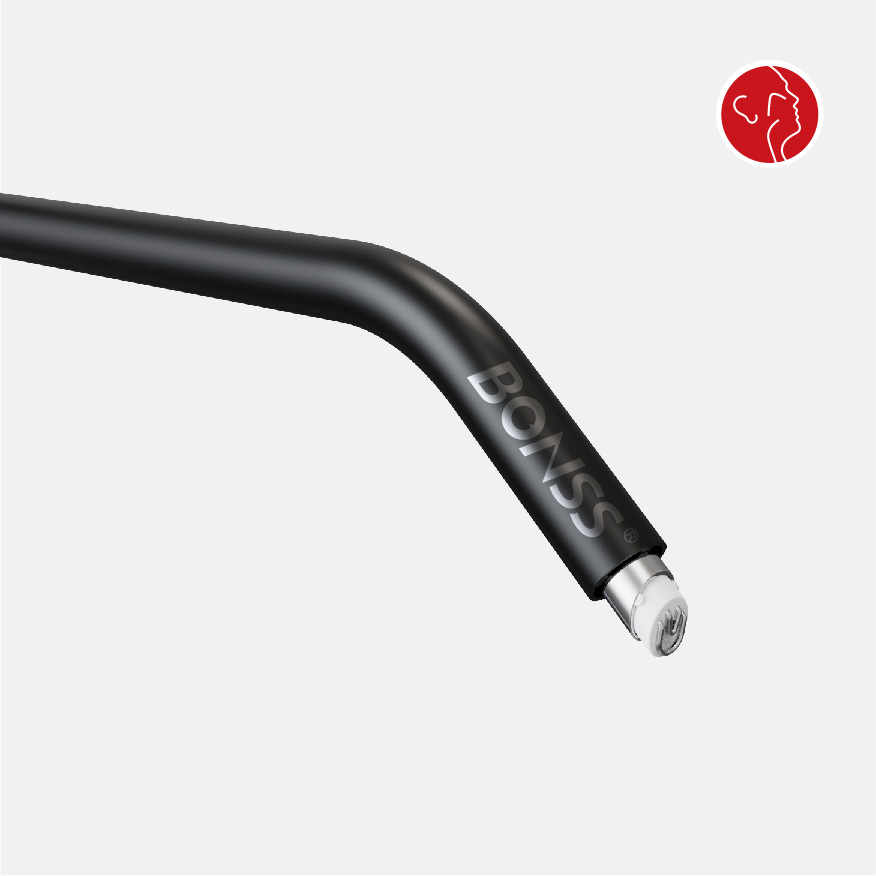
![UBE Standard Kit and Fusion Kit AX+BX Portal Establishment]() UBE Standard Kit and Fusion Kit AX+BX Portal EstablishmentThis specialized UBE Surgical Instrument Set is meticulously designed to support surgeons in performing advanced minimally invasive spinal procedures using the Unilateral Biportal Endoscopy technique.view more
-
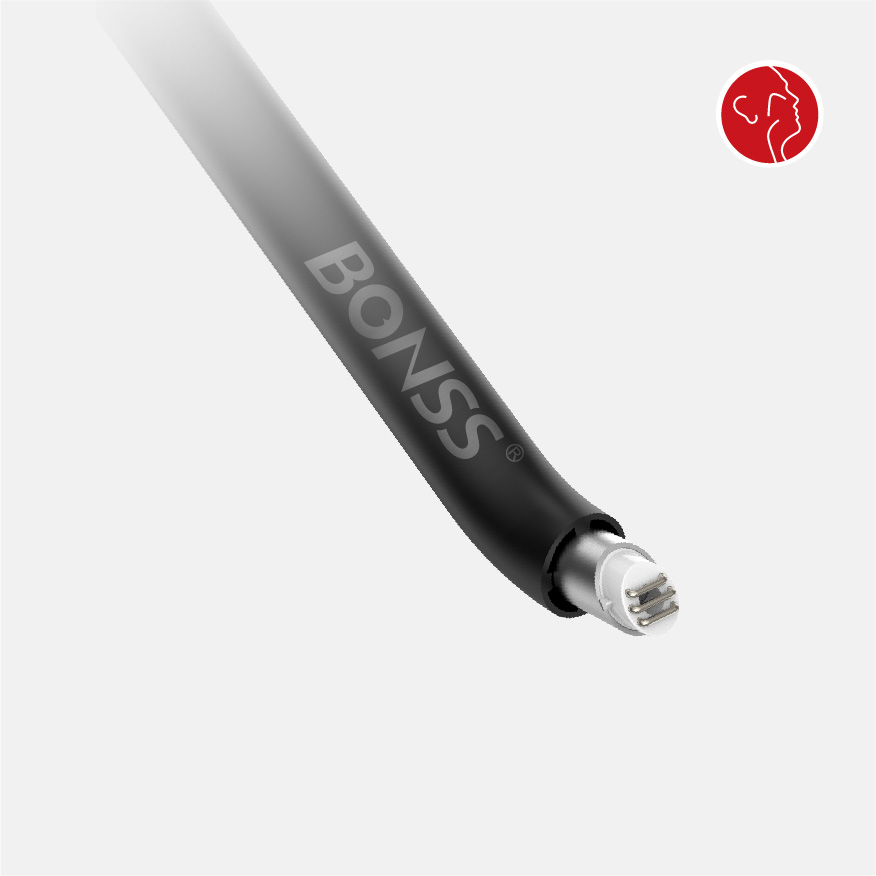
![UBE Forceps Kit CX Spinal Decompression]() UBE Forceps Kit CX Spinal DecompressionIndicated for Lumbar Spinal Stenosis Decompression,Endoscopic Lumbar Discectomy, Treatment of Degenerative Spinal Conditionsview more


Spine instrument categories
Pedicle screw and fixation instruments
Probes, awls, taps, screwdriver shafts, and rod-handling instruments for specified spinal fixation systems. Instrument selection depends on the intended procedure and implant interface requirements.
Decompression and bone removal instruments
Kerrison rongeurs, pituitary rongeurs, bone curettes, and related instruments for specified spinal decompression procedures. Working-end design and dimensions should be confirmed according to the intended application.
Distraction and compression instruments
Spinal spreaders, compressor-distractor instruments, and rod pushers for specified surgical procedures. Design and interface requirements should be reviewed before production.
Retractors and minimally invasive access instruments
Spinal retractors, retractor blades, and tubular access instruments for specified surgical approaches. Working length, access dimensions, and component configurations can be evaluated against customer requirements.
Custom spine instrument sets can be configured according to the intended surgical procedure, instrument selection, implant system, and tray requirements.
Procedure-specific configurations: Cervical procedures, thoracolumbar fixation, and minimally invasive access procedures, subject to confirmation of the required instrument list.
Instrument selection: Individual instruments and components can be specified according to approved drawings, reference samples, and technical requirements.
Tray configuration: Instrument holders, component arrangement, identification, and tray layout can be evaluated according to the approved set configuration and applicable reprocessing requirements.
Final set contents, quantities, dimensions, and compatibility requirements must be confirmed before production.
Materials and technical specifications
Material selection and technical requirements should be confirmed for each instrument or component according to its design, intended use, and applicable specifications.
|
Technical item |
Requirements for confirmation |
|
Instrument material |
Applicable material grade and supporting documentation |
|
Instrument dimensions |
Overall length, working length, diameter, and working-end geometry, where applicable |
|
Dimensional tolerances |
Critical dimensions and allowable tolerances defined in approved drawings |
|
Surface finish |
Required finish and applicable inspection criteria |
|
Handle design |
Handle material, shape, grip design, and connection requirements |
|
Functional requirements |
Operating mechanism, movement, engagement, and functional acceptance criteria, where applicable |
|
Product identification |
Part numbers, marking methods, and traceability requirements |
|
Instrument set configuration |
Approved instrument list, quantities, and tray layout |
Technical specifications should be finalized against approved product drawings, material documentation, and applicable inspection requirements. Specific values should be published only when supported by verified product records.
Implant compatibility and reprocessing
Implant compatibility
Instrument compatibility should be assessed against the intended spinal fixation system. Relevant requirements may include screw interfaces, driver geometry, rod dimensions, connection mechanisms, and other system-specific features.
Compatibility should be confirmed using appropriate technical documentation and verification procedures before the instruments are supplied for use with a specified implant system.
Cleaning and sterilization
Cleaning, disinfection, sterilization, and reuse requirements depend on the specific instrument design and its validated instructions for use. Product-specific reprocessing instructions and supporting validation documentation should be confirmed before publication.
Traceability and product identification
Part numbers, identification markings, and component labeling can be specified according to customer and traceability requirements. Claims regarding reuse limits, durability, or repeated reprocessing performance require supporting product-specific evidence.
Quality control and technical documentation
Manufacturing inspection
Inspection requirements should be defined according to the approved design and applicable product specifications. Relevant inspection activities may include dimensional checks, visual inspection, material verification, and functional assessment, where applicable.
Quality management
Quality management certifications and manufacturing capabilities should be described according to the actual production facility and the verified scope of certification.
Technical documentation
Documentation availability should be confirmed for the specific product. Depending on the product and manufacturing records, relevant documents may include material certificates, dimensional inspection records, functional test reports, and applicable reprocessing validation documents.
Regulatory documentation
Regulatory requirements depend on the intended market, device classification, intended use, and applicable regulatory pathway. FDA clearance, CE marking, and other regulatory statuses should be stated only when supported by the relevant product documentation.
OEM customization and bulk supply
Custom instrument development
Instrument geometry, dimensions, working ends, handle designs, and identification markings can be evaluated using customer drawings, technical specifications, or approved reference samples.
Custom instrument trays
Tray layouts, instrument holders, component arrangements, and identification labels can be evaluated according to the approved instrument list and applicable reprocessing requirements.
Private labeling and packaging
Product marking, part numbering, labeling, and packaging requirements can be reviewed for eligible products. Sterile packaging should be offered only when the relevant packaging and sterilization processes have been appropriately validated.
Bulk and distributor supply
Order quantities, repeat production, and distributor supply arrangements can be evaluated according to the confirmed product configuration, manufacturing capabilities, quality requirements, and delivery schedule.
Frequently asked questions

Request a quote
Submit your instrument list, technical drawings, reference samples, or existing instrument set configuration for technical and commercial review.
Product requirements: Specify individual instruments, complete sets, intended procedures, and required components.
Design requirements: Provide available drawings, dimensions, interface details, material requirements, and applicable specifications.
Order details: Indicate estimated quantities, repeat-order requirements, tray configuration, labeling, and packaging preferences.
Target market: Identify the destination country and any required technical or regulatory documentation.
As one of the most professional spine instruments manufacturers and suppliers in China, we're featured by quality products and good price. Please rest assured to buy bulk spine instruments for sale here from our factory. Customized orders are welcome.